
Getting locked out of your home or room can be stressful, especially when you’re standing outside your door with no way to get back in. The first instinct is often to try anything that might work — forcing the lock, pushing the door, or trying to manipulate the latch.
Unfortunately, we’ve seen situations where attempts to force a lock have turned a simple lockout into a much more difficult and expensive job.
Before damaging your lock or door, there are a few things you should try first.
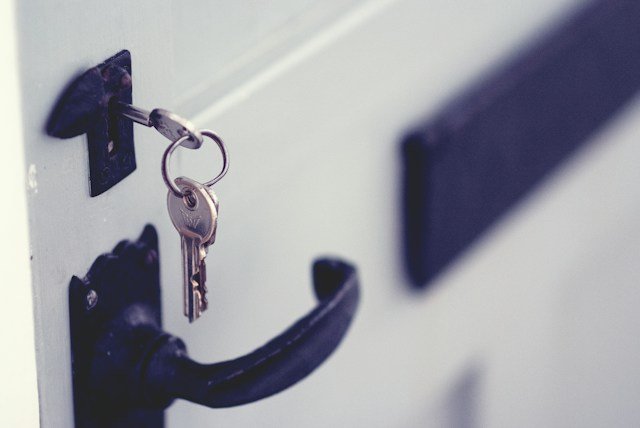
Before attempting anything with the lock, take a moment to think about whether you have another legitimate way to get inside.
Consider:
If none of these options are available, your next step should be determining whether professional assistance is needed.
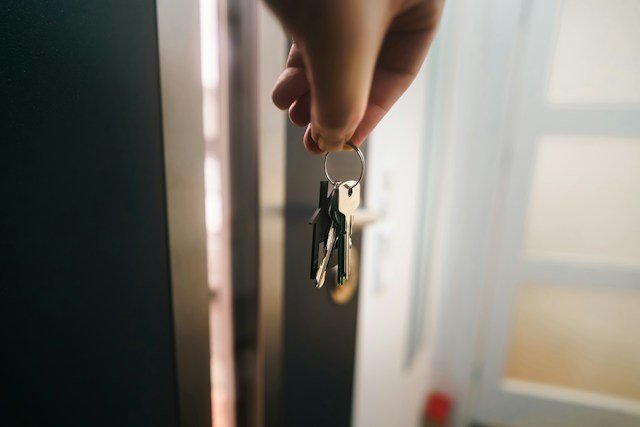
One of the biggest mistakes people make during a lockout is trying to force their way inside.
We encountered locks that were still operational when we arrived, but had been heavily damaged by the customer attempting to get through the door. In some cases, the lock was left hanging or severely damaged while still technically functioning.
Once a lock has been bent, damaged, or partially pulled apart, non-destructive entry can become much more difficult or even impossible.
What might have been a straightforward lockout can turn into a situation requiring:
If your lock is still intact, it’s generally better to leave it alone and have a professional assess it.
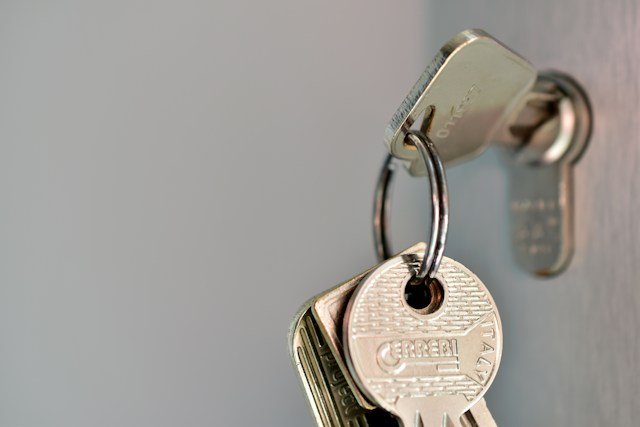
You may have seen videos online showing people opening doors using plastic cards or other household objects.
A plastic card can sometimes work on certain spring-latch doors, particularly some basic interior-style knob or lever locks. However, it will not work on every lock, and it generally won’t bypass a properly engaged deadbolt.
Trying to force a card or another object into the door can also damage the latch, weatherstripping, door frame, or the card itself.
If it doesn’t open easily, don’t keep forcing it.
The goal should be getting back inside without creating another repair bill.
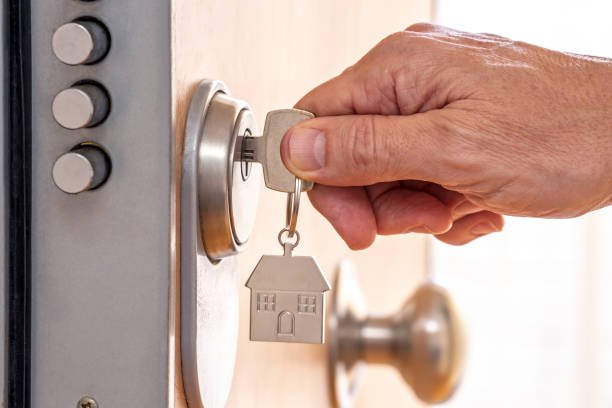
Sometimes, yes.
Depending on the type of lock, its condition, and the circumstances, a locksmith may be able to use non-destructive entry techniques, such as lock picking or other professional bypass methods.
This means the existing lock may potentially be kept instead of immediately drilling or destroying it.
However, there is no guarantee that every lock can be opened without damage. Some locks may be damaged, defective, high-security, or otherwise require a different method of entry.
That’s why it’s best to have the lock assessed before deciding that it needs to be drilled or replaced.
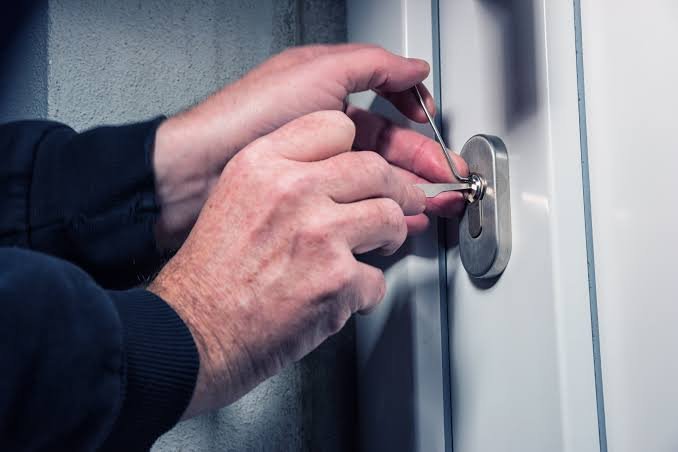
If you’re locked out and your lock is still in good condition, calling a locksmith before attempting to destroy it can potentially save you money.
For example, damaging a lock yourself could turn:
Simple lockout → Lock replacement
or even:
Simple lockout → Lock replacement + door/frame repair
A professional can first assess the situation and determine the most appropriate way to regain entry.
At 204 Pro Locksmith, our goal is to help you regain access while avoiding unnecessary damage whenever possible.
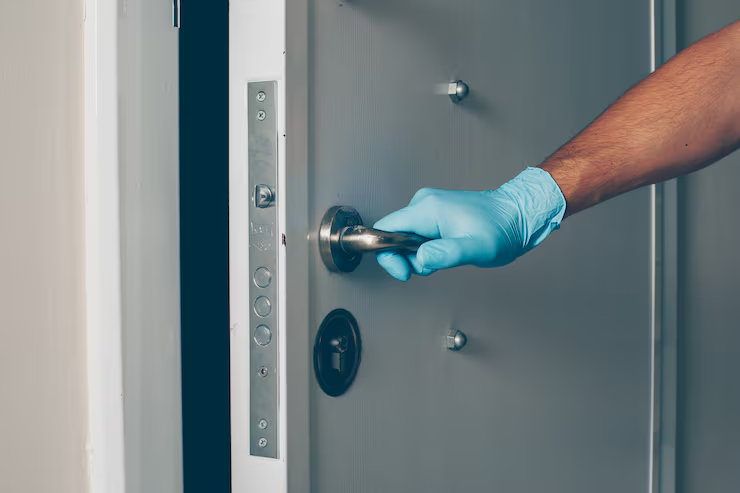
Don’t panic.
If you’ve already tried to open the lock yourself and something has gone wrong, stop before causing further damage.
Don’t continue pulling, drilling, prying, or forcing the lock. A locksmith can assess the condition of the lock and determine whether it can still be opened or whether replacement is necessary.
The more damage a lock has sustained, the fewer options there may be for non-destructive entry.
If you’re locked out of your home, apartment, room, or another property in Winnipeg, 204 Pro Locksmith provides mobile residential locksmith services.
Before trying to force your lock or damage your door, give us a call. We’ll assess the situation and determine the best way to help you regain access.
Whenever possible, our goal is to get you back inside while keeping your existing lock intact.
Need a Locksmith in Winnipeg?
204 Pro Locksmith — Saving the day in minutes.
Call today for residential and emergency locksmith assistance in Winnipeg.